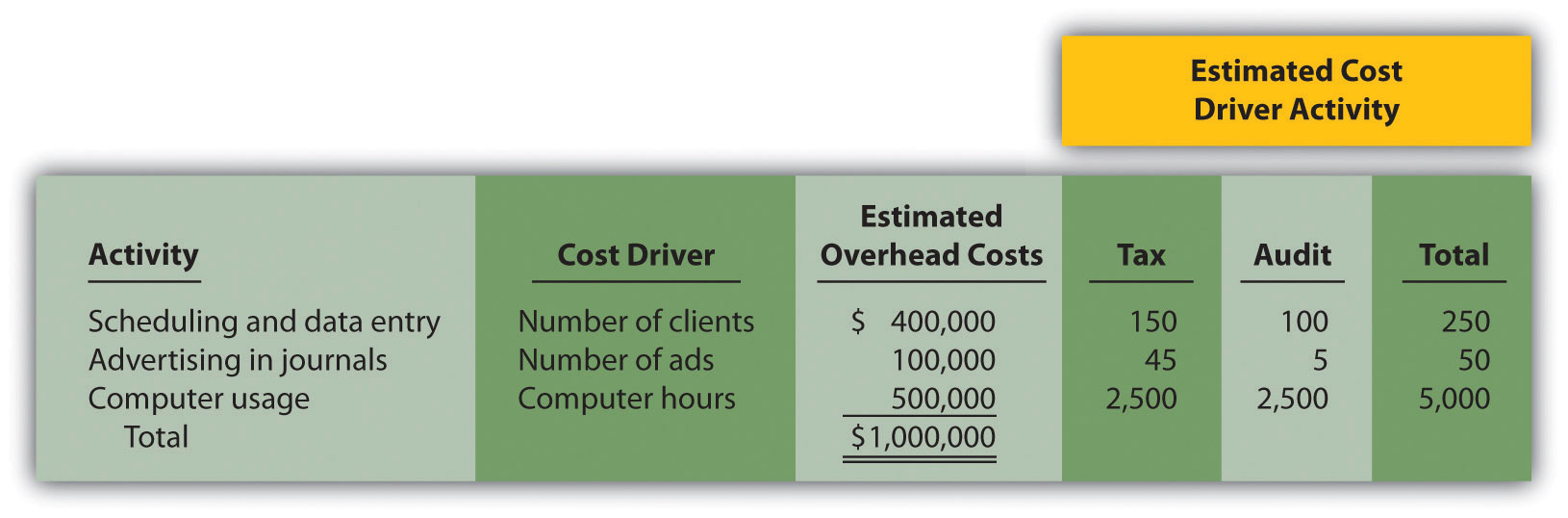
Activity-based accounting, Service industry, Public transit. TABLE 3.2: ACTIVITY COST DRIVERS. Examples of drivers are customer commitments.
A concern, which I come across in almost every financial modeling exercise leading to valuation, is how to estimate the revenue drivers of the company I am modeling for. This question is also raised every time I assign a company to my team of analysts and associates for modeling. In every classroom, I encounter similar concerns without fail. Industrialists and business owners emphasize that one needs to be an industry / business expert to identify the revenue drivers and then model them. I agree to such an opinion but only partly. I vouch that one acquires the art of identification of appropriate revenue drivers by experience, but I am a very strong believer of the fact that most of it is common sense, once you broadly understand what a company does to earn revenue. For all the discussions in this article, let’s assume that we are undertaking a financial modeling exercise leading to valuation.
The first line item that needs to be projected is “Revenue”. Now ponder over the questions below: • Should “Revenue Build Up” be given a rigorous treatment? • Is “Revenue” a line item that needs special attention and rigor? • Why spend so much time on building up the revenue in a model hen it’s like any other line item in the entire exercise?
“Revenue Build Up” exercise in a financial model should be rigorous and deserves utmost attention because: • Revenue Build Up typically will be the first piece to be modeled. This is the first module that your client, top management, seniors, reviewers, investors, lenders etc will go through before they move to the next section of your model. Rigorously projected revenue speaks a lot about the analytical skills, thought process, business understanding and industry understanding of a modeler. It gives the flavor of the rigor that rest of the model is expected to have. • Revenue, per se, is an extremely important line item in modeling.
Many analysts, in the absence of relevant and required information about the cost drivers, typically use revenue line item to project the cost line items (costs expressed as a%age of sales / revenue / turnover). Software punto de venta full crack. A rigor in revenue build up also ensures a rigor in costs projections. • In the absence of information about the capital expenditure plans and depreciation policy of the company, an analyst may again choose “Revenue” to project capital expenditure and depreciation in future years. And it’s not hidden how important capital expenditure as a line item is in the entire exercise of financial modeling leading to valuation. Now that we understand the importance of revenue build up in a financial model, let’s proceed to identify revenue drivers. How should we identify the revenue drivers? Simplest way to identify revenue drivers is to think what are the variables when mathematically operated might give you the revenue.
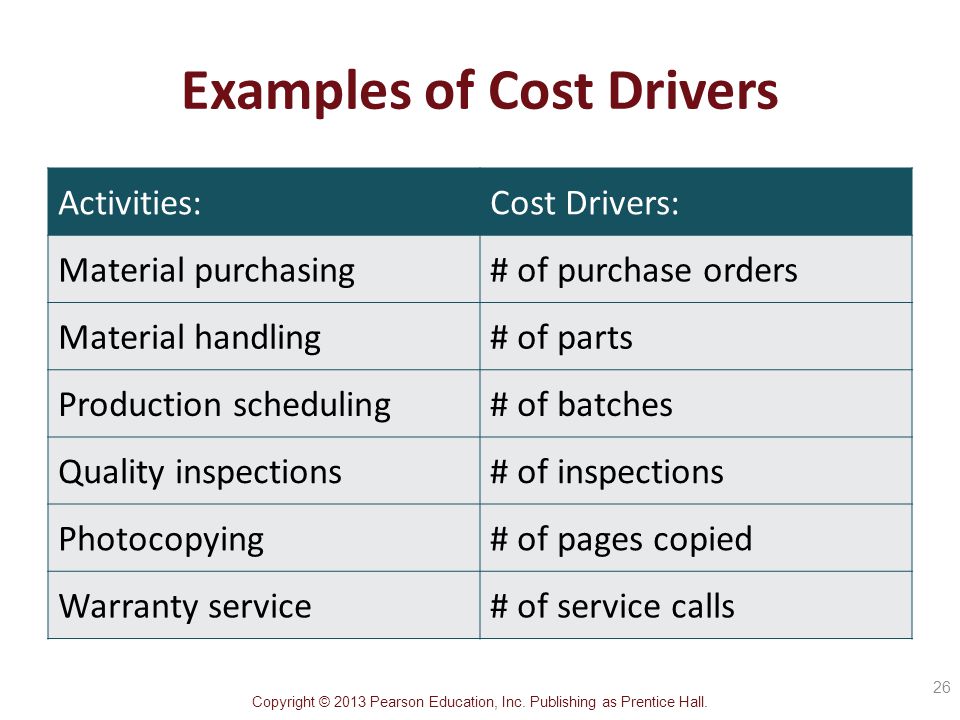
Let’s look at few examples below: Airlines Industry Revenue should have following components: • Revenue from Passenger Movement • Revenue Cargo Movement • Others – Foods & Beverages sold inside the flight (in case of lo cost carriers), any promotional schemes advertised inside the flight during journey etc. Let’s break it down further. Revenue from Passenger Movement We understand from our own experience that airlines seats belong to different classes and are priced differently on different days. They start cheap but become expensive closer to the date of journey.